
A useful place to start
How do I choose the right acting class in Toronto?
Choose the class that gives you a clear way into the work you need to improve now. Before you register, find out what you will practise, how feedback works, what preparation is expected, and whether the schedule and cost are practical for you.
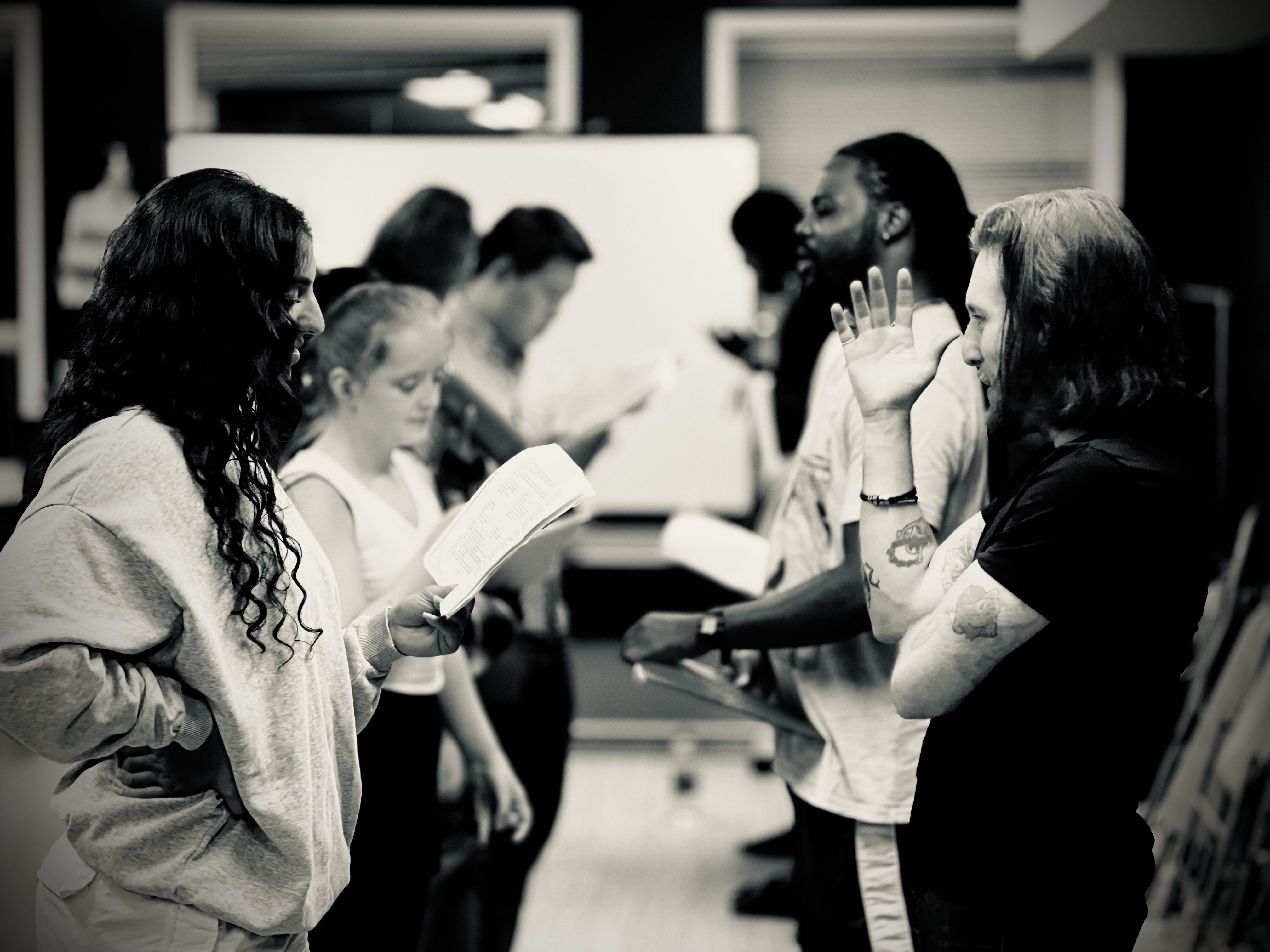
Start with the problem, not the label.
Beginner, scene study, on-camera, and advanced are useful descriptions, but they do not tell you everything. The better question is what you want to be able to do more reliably after the class.
Do you need a way to break down a scene? Do you need practice taking direction? Do you need regular camera reps? Different rooms solve different problems. A serious class should be able to explain that plainly.
Five questions to ask before you pay.
- What will I actually practise each week?
- How often will I work, and how specific is the feedback?
- What preparation is expected between sessions?
- Who is the room for, and what does the teacher assume I already know?
- Can I realistically sustain the schedule, travel, and full cost?
Look for a process you can keep using.
A useful acting class does not only help you present one scene. It gives you a way to read the circumstances, identify what is at stake, make a playable choice, listen to the other actor, and try again after a note.
You do not have to arrive fearless. You do have to arrive willing to prepare, listen, and return to the work.
Where RAW's classes fit
RAW has two training paths. The Master is built around scene preparation and performance craft. On-Camera Audition is built around preparing sides, making camera choices, handling technical demands, and adjusting after direction.
Both paths begin with a Level 1 foundation and continue into a Level 2 REPS class. Compare the work each class asks you to do before choosing a level.
Compare RAW classes